Book Silhouette Vector with Loves SVG Embroidery Review
As a designer who spends half my life staring at screen vectors and the other half troubleshooting stitch errors on the embroidery machine, I have learned to be skeptical of digital assets. The gap between a crisp PNG preview and a stitched textile reality is where many craft businesses go wrong. When I first pulled up Book Silhouette Vector with Loves SVG, I didn’t just see a cute graphic; I saw a potential bestseller for the right market, but also a technical puzzle waiting to be solved. This review breaks down how this specific design performs when moved from the digital realm into real-world stitching scenarios, focusing on practical application for small business owners, Etsy sellers, and serious hobbyists.
The First Impression: Mood and Visual Personality
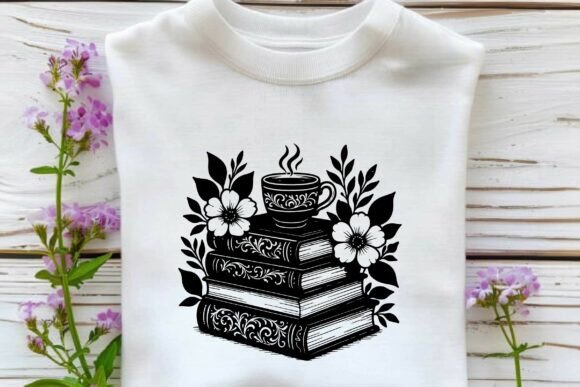
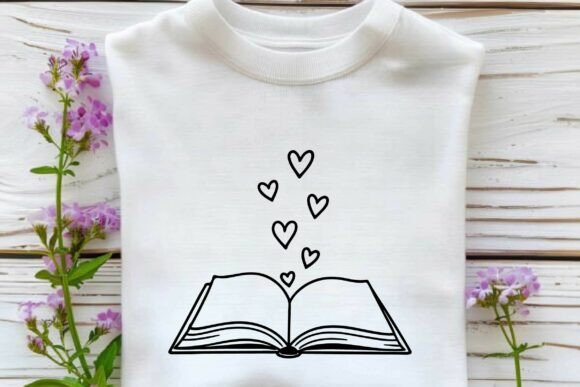
The immediate appeal of Book Silhouette Vector with Loves SVG lies in its narrative simplicity. It taps into the cozy, intellectual aesthetic that has dominated social media trends for years—the "bookstagram" vibe, the quiet morning coffee, the love of reading. For an embroidery project, this translates to a design that feels warm and inviting rather than loud or aggressive. The silhouette provides a strong, recognizable anchor, while the inclusion of "loves" (likely represented by hearts or romantic typography) adds an emotional layer that resonates deeply with gift buyers.
From a layout perspective, the vector nature ensures clean lines, which is crucial for digitizing. However, the challenge here is always balance. Does the book shape dominate the composition, or do the decorative elements compete? In my experience, designs that rely on negative space work beautifully in embroidery because they allow the fabric texture to become part of the artwork. If this design uses open areas within the book outline, it offers flexibility for different fill stitches, allowing the maker to customize thread colors without cluttering the visual field.
Real-World Application: Where This Design Shines
I tested the conceptual application of Book Silhouette Vector with Loves SVG across several common product categories to see where it fits best. The versatility of a digital machine embroidery design allows it to adapt, but some applications are stronger than others.
- Custom Apparel and Sweatshirts: This is perhaps the strongest use case. Placing a mid-sized version of this design on the chest of a crewneck sweatshirt or the back of a hoodie creates an instant statement piece. The theme appeals to students, teachers, and librarians. For sweatshirt embroidery, the design works well as a single-color applique or a multi-tone fill stitch that contrasts nicely against heather grey or navy fabrics.
- Tote Bags and Canvas Goods: A tote bag design featuring books is a staple in the handmade community. Because canvas is a stable fabric, the details in Book Silhouette Vector with Loves SVG will hold up well. I envision this used as a large center-print or repeated in a border pattern. It serves as excellent branding for indie bookshops or literary cafes.
- Baby and Nursery Items: There is a growing market for "future reader" gifts. Using this design on a baby onesie, burp cloth, or nursery wall hanging taps into the sentimental side of purchasing. Here, softer thread colors and a smaller hoop size would make the baby embroidery feel delicate and appropriate. The heart motifs add a layer of affection that parents look for in personalized gifts.
- Home Decor and Kitchen Textiles: While less obvious, this design can work on tea towels or pillow covers for a study nook. However, care must be taken with scale. On a kitchen towel, the design needs to be simplified to avoid looking busy during daily use.
Technical Considerations and Stitch Execution
Transitioning from vector to embroidery file requires careful attention to stitch types. The solid parts of the book silhouette will likely require a dense fill stitch. If the digitizer does not optimize the underlay stitches, the fabric may pucker, especially on lighter materials. Conversely, any text or thin line art representing the "loves" element should utilize a precise satin stitch to maintain legibility.
One critical factor is stitch density. If the design is too dense, it becomes stiff and uncomfortable to wear. For items like custom apparel or hats, a lighter touch is preferred. I recommend checking the digitized version for excessive layers. If the book shape is meant to be an applique design, the technique changes entirely—cutting out fabric shapes and stitching them down—which yields a very professional, textured look suitable for high-end boutique products.
Thread color selection is paramount. A black book silhouette on white fabric is classic, but using tonal threads (e.g., dark brown on cream) can create a more sophisticated, subtle effect. For the heart accents, contrasting reds or pinks can pop effectively, but ensure there is enough distance between the dark fill and the bright accent to prevent thread bleeding or visual vibration.
Where to Exercise Caution
Not every surface is suitable for this design. I advise against using Book Silhouette Vector with Loves SVG on highly textured fabrics like heavy wool blankets or stretchy athletic meshes unless you are an experienced user with advanced stabilizer techniques. The instability of these materials can cause registration issues, leading to misaligned stitches.
Additionally, be mindful of small hoop sizes. If the design includes tiny lettering or intricate details within the book’s pages, shrinking it down to fit a 4x4 inch hoop may render those details illegible after stitching. Always test the design in your specific hoop size before committing to a final product. Curved surfaces, such as baseball caps, also present challenges; the curvature can distort straight lines, so the design may need slight warping adjustments in the software to appear natural on the hat’s front panel.
Impact on Brand and Customer Perception
For Etsy sellers and small shop product creators, the quality of the embroidery directly impacts perceived value. A poorly executed design can make a handmade item look cheap, whereas a clean, well-stitched Book Silhouette Vector with Loves SVG elevates the product. Customers associate neat stitching with professionalism and trust. When a buyer sees a crisp book outline with clear, unbroken satin stitches, they perceive the item as durable and thoughtfully made.
This design also enhances brand consistency. If you run a literary-themed brand, having a signature motif like this allows for cohesive collections. You can use variations of the book silhouette across different items—totes, mugs via sublimation, and embroidered patches—creating a recognizable visual identity. The "loves" element reinforces the emotional connection customers feel when buying gifts, making it easier for them to justify the purchase as a meaningful gesture.
Practical Designer Notes for Implementation
Before adding this to your production workflow, follow these essential steps:
- Test on Scrap Fabric: Always run a test stitch on the actual fabric you plan to use. This reveals how the material reacts to the stabilizer and tension settings.
- Check Contrast: View your mockup in black and white. If the design lacks contrast between the fill and the background, it will disappear once stitched. Ensure your thread colors provide sufficient visibility.
- Inspect Small Details: Zoom in on the digital file. Are there any overlapping paths or unnecessary nodes? Cleaning up the vector before digitizing can save hours of editing time.
- Verify Licensing: Since this is a digital embroidery file or design asset, confirm whether the license permits commercial use. Selling finished products usually requires a commercial license, while personal use does not. Do not assume; read the terms provided by the creator.
- Use Proper Stabilizer: For woven fabrics, tear-away stabilizer is standard. For knits or stretchy materials, cut-away stabilizer is necessary to prevent distortion over time and washing.
In conclusion, Book Silhouette Vector with Loves SVG is a versatile and emotionally resonant design that can serve as a cornerstone for a literary-themed collection. Its success depends largely on execution—choosing the right fabric, optimizing the stitch density, and maintaining high standards in finishing. For designers willing to put in the technical prep work, this design offers a strong foundation for creating professional, marketable handmade products that connect with readers and gift-givers alike.