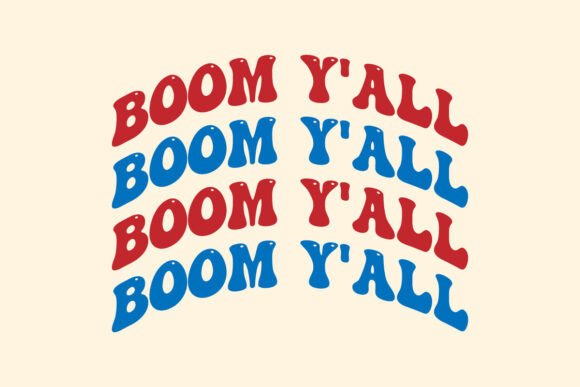
Boom Y all SVG Review: Retro Design for Embroidery
When I pull a new design file into my digitizing software or prepare a cutting plotter for production, my first instinct is always skepticism. The digital preview rarely tells the whole story of how thread interacts with fabric, how tension holds up on curved seams, or whether a design will look cheap or premium once it leaves the hoop. That is why I treat every Boom Y all SVG, Retro Boom Y all SVG PNG not just as a graphic asset, but as a potential finished product waiting to happen. This review looks at that specific retro-themed design from the perspective of an experienced designer evaluating its viability for real-world embroidery projects, small business merchandise, and personalized gifts.
First Impressions and Visual Personality
The moment you load this file, the aesthetic speaks for itself. It carries a distinct nostalgic weight, leaning heavily into the "retro" vibe mentioned in its title. For designers working in the Crafts and Graphics niches, understanding the mood of a design is half the battle. This isn’t a minimalist, modernist line art piece; it has character. It feels bold, slightly playful, and inherently casual. This personality dictates where it can live. It does not belong on a formal wedding invitation or a high-end corporate polo shirt. Instead, it thrives in environments that celebrate leisure, humor, and personal expression.
The layout appears balanced, which is crucial when converting a vector or raster image into an embroidery file. A cluttered composition often results in a muddy stitch pattern, but this design seems to have enough negative space to breathe. When I imagine stitching this out, I picture it utilizing strong satin stitch outlines to define the edges, ensuring the text remains legible even after multiple wash cycles. The visual appeal here relies on contrast—both in the graphic’s internal elements and in the thread colors chosen by the maker. It screams for a vintage color palette: mustard yellows, faded teals, burnt oranges, or crisp whites against dark backgrounds.
Real-World Application: From Screen to Stitch
Let’s talk about actual use cases. I recently had a client request a batch of custom tote bags for a local craft fair booth. They wanted something eye-catching but not overly complex. I pulled this machine embroidery design concept into my workflow. On a heavy canvas tote bag, the retro theme would pop beautifully. The sturdy fabric can handle the density of the stitches without puckering, and the large surface area allows the design to be scaled up appropriately. In this scenario, the finished product feels like a genuine boutique item rather than a mass-produced souvenir.
However, the versatility extends beyond bags. I see this design performing exceptionally well on custom apparel, particularly heavyweight cotton t-shirts or French Terry sweatshirts. The retro aesthetic pairs naturally with streetwear styles. Imagine this stitched on the chest of a black hoodie in white or cream thread—it creates an instant statement piece. For small shop products aimed at teenagers or young adults, this design hits the right note of cool without trying too hard.
Another interesting application is in nursery or baby decor. While the phrase might seem mature, the retro font style can be softened with pastel thread choices. Used on a baby onesie or a muslin blanket, it becomes a trendy, gender-neutral gift option. Parents today love items that feel curated and stylish. If executed correctly, this embroidery project could easily become a bestseller on Etsy listings targeting new parents looking for unique personalized gifts.
Technical Considerations and Potential Pitfalls
As much as I like the look of this design, no design is perfect for every situation. There are specific constraints where this digital embroidery file might struggle. First, consider the hoop size. If the design is quite wide, attempting to stitch it on a small hoop requires careful placement. More importantly, if the original file contains tiny details or very thin lines, those may disappear entirely during the digitizing process. Thin lines often break under needle penetration unless they are converted into adequate fill stitch areas or thickened satin stitch borders.
Fabric choice is another critical factor. This design should be used carefully on stretchy knits without proper stabilization. If you attempt to stitch this directly onto a thin, stretchy t-shirt without using a cut-away stabilizer, the entire design will pucker and distort. Similarly, textured fabrics like chunky wools or rough burlap can hide the fine details of the retro typography. For these materials, you need a bolder, simpler design. Stick to smooth cottons, linens, or blends for the cleanest result.
Curved surfaces present their own challenges. Trying to apply this design to a baseball cap or a bucket hat requires precise hooping techniques. If the curve is too aggressive, the top and bottom parts of the design will stretch differently, causing the text to warp. For embroidered patches intended for iron-on application, this design works well because the backing provides stability, but ensure the edge-to-edge spacing is sufficient so the patch doesn't fray quickly.
Stitch Density and Thread Selection
The success of any craft business item often hinges on thread quality and color contrast. With a retro theme, avoiding neon threads is usually a wise move unless you are going for a very specific 80s synthwave look. Traditional, muted tones tend to age better and appeal to a broader audience. Before committing to a full production run, always test the thread colors on scrap fabric. Check how the light reflects off the satin stitches; if the angle is wrong, the design can look flat or muddy. Also, inspect the stitch density. If the fill areas are too dense, the fabric will become stiff and uncomfortable. If they are too sparse, the underlying fabric shows through, making the design look unfinished.
Commercial Viability and Brand Consistency
For Etsy sellers and digital product sellers, licensing is paramount. While this is described as an instant download cutting file compatible with machines like Cricut or Silhouette, you must verify the commercial license terms before selling physical goods made from it. Does the license allow for unlimited physical sales? Can you sell digital mockups? These questions determine your profit margin and legal safety. Assuming the license permits commercial use, this design has high marketability. It fits perfectly into seasonal trends, such as holiday gifts or summer vacation merch.
Consistency is key in building a brand. If your shop specializes in retro, vintage-inspired goods, adding this design asset to your catalog reinforces your identity. Customers come to trust shops that have a clear aesthetic voice. A collection of matching retro designs—for example, a set of phrases for different family members—can drive higher average order values. Buyers are more likely to purchase a complete set for a family reunion or a group of friends than a single isolated item.
Final Verdict for the Maker
The Boom Y all SVG, Retro Boom Y all SVG PNG is a solid candidate for makers who appreciate bold, nostalgic aesthetics. It is not a subtle, understated design; it demands attention. This makes it ideal for statement pieces like tote bag design projects, sweatshirt embroidery, and decorative home goods. However, it requires technical care. You must respect the limits of your machine, choose the right stabilizer, and select fabrics that complement the design’s structure.
Before launching this into your main production queue, I strongly advise testing it on scrap fabric first. Check the alignment, review the stitch density, and inspect small details. Test it in black and white mockups to ensure the hierarchy of elements holds up without color distraction. Compare it on both light and dark fabric backgrounds to see which offers the best visibility. By doing this due diligence, you transform a simple digital file into a professional, trustworthy handmade product that customers will want to wear and display. For the savvy entrepreneur, this design offers a low-risk, high-reward opportunity to expand your embroidery project portfolio with a touch of retro flair.