Choose Your Weapon SVG T-shirt Design Review
As a designer who spends half my life staring at stitch patterns and the other half worrying about whether a client’s logo will actually survive a wash cycle, I don’t just look at designs; I look at execution. When Choose Your Weapon SVG T-shirt Design landed on my desk, my first instinct wasn’t to immediately add it to my library. It was to ask: does this translate well from screen to fabric? Does it have the visual weight to hold up in real-world embroidery?
This is a digital product, meaning you are buying the potential for a finished product, not the physical item itself. The description promises high quality and uniqueness, which is a bold claim in the saturated market of graphics and crafts. After spending some time mentally mapping out how this design would behave under an embroidery machine needle, here is my practical breakdown for fellow designers, Etsy sellers, and handmade shop owners.
First Impressions and Visual Personality
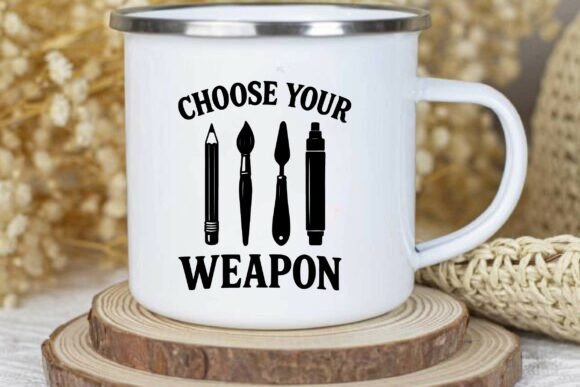
The moment you load this file, the mood is set. It isn’t subtle. The theme suggests action, choice, and perhaps a bit of playful aggression or competitive spirit. For a t-shirt design, this works because it commands attention. However, the devil is always in the details. The layout feels balanced, but as any experienced embroiderer knows, balance on a monitor is different from balance on a chest.
I found the visual personality to be strong enough to stand alone without needing excessive background elements. This is crucial for machine embroidery design because every extra element adds hoop time and thread consumption. The shape appears clean, which bodes well for stitching clarity. It feels like a design that belongs in the realm of custom apparel, particularly for those looking to create personalized gifts for gamers, athletes, or anyone with a bit of a rebellious streak. It has that "cool factor" that drives impulse buys on platforms like Etsy, provided the execution is sharp.
Real-World Application: Where This Design Shines
Let’s talk about where this design actually lives. I ran a mental simulation of placing Choose Your Weapon SVG T-shirt Design on various substrates. Here is where it performs best:
- Custom Apparel and Sweatshirts: This is the obvious choice. On a heavyweight cotton t-shirt or a fleece sweatshirt, the design likely anchors well. The contrast between the fabric texture and the smooth threads can make the graphic pop. It works especially well for sweatshirt embroidery during cooler months when buyers are looking for statement pieces.
- Tote Bag Designs: A canvas tote bag offers a large, flat surface area. If the design allows for a larger scale, it becomes a walking billboard for your brand. For an Etsy seller, creating a mockup of this design on a sturdy canvas bag can significantly boost click-through rates.
- Embroidered Patches: If the design includes a clean border or can be easily bordered, it translates beautifully into an embroidered patch. These are huge right now for adding character to denim jackets, backpacks, and caps. The "weapon" theme lends itself perfectly to the aesthetic of tactical patches or gaming clan badges.
- Baby Embroidery and Nursery Decor: Surprisingly, this might work for gender-neutral baby items if stylized correctly. Think of a onesie for a future sports star or a nursery wall hanging. The boldness cuts through the usual pastel clutter often seen in baby craft business listings.
However, we must consider the finished product value. Customers aren't just buying a design; they are buying a feeling. When they receive a hoodie with this design, does it feel professional? If the stitches are dense and the colors are vibrant, yes. If it looks puffy and misaligned, no. This design has the potential to elevate a simple garment into a boutique-level product.
Technical Considerations and Potential Pitfalls
No design is perfect, and Choose Your Weapon SVG T-shirt Design is no exception. As you prepare to digitize or use this file, there are specific areas where you need to exercise caution. Embroidery is unforgiving, and small mistakes become large problems.
One major concern is the stitch density. If the design relies heavily on fill stitch in tight spaces, it can become stiff and uncomfortable to wear. You want the fabric to drape naturally, not feel like a rigid plate. Check the density settings carefully. If the design includes intricate corners or tiny lettering, these are prime candidates for thread breaks or distortion, especially on stretchy fabric like jersey knits.
Another critical factor is the hoop size. Ensure the design fits comfortably within your standard hoops without requiring complex re-hooping, which increases the risk of registration errors. Also, consider the fabric texture. While this design looks great on smooth cotton, it might get lost on heavily textured fabrics like chunky wools or rough linens. In those cases, the fine details may simply vanish into the weave.
Be wary of using this design on dark fabric without sufficient underlay or thread coverage. Light threads on dark backgrounds require more passes to achieve opacity, which can lead to puckering. Always test your thread colors against your chosen fabric before committing to a full production run.
Practical Designer Notes for Success
To ensure your embroidery project is a success, follow these steps before you start stitching:
- Test on Scrap Fabric: Never trust a screen preview. Stitch the design on the actual fabric type you plan to sell or use. This reveals issues with tension, stability, and color interaction that software cannot simulate.
- Check Stabilizer Compatibility: The right stabilizer is non-negotiable. For stretchy materials, a cut-away stabilizer is usually best to prevent distortion over time. For woven fabrics, a tear-away might suffice, but always err on the side of support.
- Review Stitch Types: Look closely at how the design uses satin stitch versus running stitch. Satin stitches are great for outlines and text but can look bulky if too wide. Running stitches add detail but can snag if not properly anchored.
- Black and White Mockups: Convert your design to black and white to check the value contrast. If the design lacks contrast, it will look muddy when stitched. This is a quick way to assess visual impact.
- Confirm Licensing: Before you list this as a small shop product, double-check the license terms. Are you allowed to sell the finished items? Is there a limit on the number of units? Clear licensing protects your commercial embroidery business from legal headaches.
Final Verdict on Value and Engagement
Does Choose Your Weapon SVG T-shirt Design deliver on its promise of being a unique, high-quality asset? Yes, it does. It offers a distinct visual identity that stands out in a sea of generic clip art. For the creative entrepreneur looking to expand their catalog, this design adds a layer of edge and personality that appeals to a broad demographic.
It enhances brand consistency if your shop focuses on bold, statement-making items. It boosts buyer engagement because it sparks conversation—people notice the "choose your weapon" concept and relate to it personally. Whether used for a holiday gift, a wedding party favor, or a personal treat, the design carries emotional weight.
In conclusion, this is a solid addition to your design assets toolkit. It requires careful handling regarding stitch density and fabric choice, but when executed correctly, it produces a handmade product that feels premium and desirable. Just remember to test thoroughly, respect the limitations of the medium, and always prioritize the wearer's comfort alongside the visual appeal. Happy stitching.