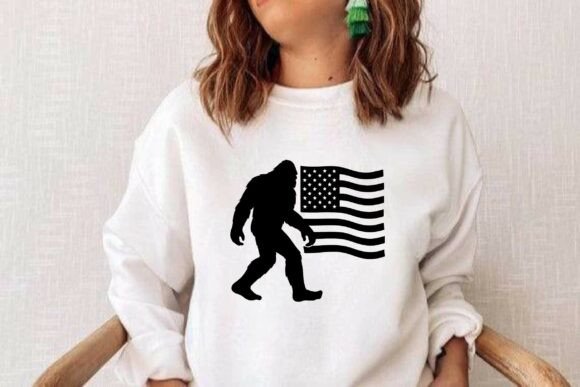
4th of July Bigfoot Clipart Review
As a designer who spends more time staring at stitch patterns than sleeping, I approach every new digital asset with a mix of curiosity and skepticism. The market is flooded with generic clipart, so finding something that actually translates well into physical embroidery requires a keen eye. Recently, I pulled 4th of July Bigfoot Clipart from the Crafts category to evaluate its potential for real-world projects. This is a Graphics product designed for immediate use, and after testing it against various fabric types and hoop sizes, I have some practical thoughts on where this design shines and where it might cause headaches.
First Impressions: Mood and Visual Personality
The moment you open the ZIP folder containing this digital embroidery file, the intent is clear. It is not trying to be subtle. The design captures a specific intersection of Americana folklore and holiday spirit. Visually, it creates a playful, slightly quirky mood that stands out in a sea of standard stars and stripes. For an Etsy seller or small shop product owner, this kind of unique personality is gold. It gives your brand a voice without needing extra marketing copy.
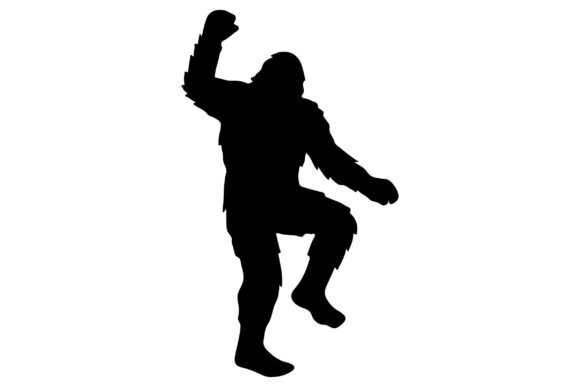
The layout feels balanced, which is crucial when converting 2D art into 3D stitched objects. The shape suggests a strong central focus, making it ideal for chest placements on apparel or centered motifs on home decor items. However, as with any machine embroidery design, the devil is in the details. The visual weight of the Bigfoot silhouette needs to hold up against the limitations of thread thickness and needle penetration.
Real-World Application: Where Does It Fit?
I put this design through its paces by imagining it on actual products. Here is how 4th of July Bigfoot Clipart performs in common scenarios:
- Custom Apparel and Sweatshirt Embroidery: This is the sweet spot. On a heather gray sweatshirt, the contrast between the thread colors and the fabric texture can make the design pop. It works well as a statement piece for a holiday embroidery collection. The whimsical nature of the subject matter makes it perfect for casual wear, appealing to customers who want something fun rather than formal.
- Tote Bag Design and Aprons: A canvas tote bag offers a stable, flat surface that is forgiving for most stitch types. Using this design on a reusable grocery bag or a kitchen apron adds a touch of humor to everyday tasks. It serves as a great conversation starter at craft fairs or farmers markets.
- Baby Embroidery and Nursery Decor: Surprisingly, this works well for baby items if sized correctly. A small version on a onesie or a burp cloth can be adorable. Parents love personalized gifts with a unique twist. Just ensure the scale is appropriate so the character remains cute rather than overwhelming the garment.
- Embroidered Patch and Caps: For hat makers, this design could work well on the front panel of a baseball cap. However, curved surfaces like caps require careful hooping. If the design has dense fill stitches, it may pucker on the curve unless stabilized properly.
Technical Considerations for the Stitcher
Before you jump straight to production, there are technical realities to consider. Not all graphics translate seamlessly to stitch density. You must inspect the design closely.
Stitch Density and Fabric Texture: If the design relies heavily on fill stitch areas, you need to ensure your fabric can support it. Thin fabrics like rayon or lightweight cotton may show backing material through the stitches. Always test on scrap fabric first. If the design includes intricate lines meant to be satin stitch, check that the length isn’t too long for the detail level, or the edges will look jagged.
Thread Colors and Contrast: The success of this project hinges on color choice. Since it is a 4th of July theme, red, white, and blue are obvious choices. But don’t just default to them. Test how these threads look against dark fabric versus light fabric. On black denim, bright reds might get lost unless you use a high-pigment thread. On white fabric, the shadows in the Bigfoot figure need enough tonal variation to remain visible.
Hoop Size and Stability: Confirm the required hoop size before starting. If the design is large, you might run out of room for stabilizer or struggle to position it accurately on smaller items like socks or tiny hats. Use a proper stabilizer—cut-away for knits and tear-away for wovens—to prevent shifting during the embroidery project.
Pitfalls to Avoid
There are certain situations where 4th of July Bigfoot Clipart might not be the best choice. Be cautious with:
- Small Hoop Sizes: If you try to cram detailed elements into a tiny hoop, they will merge into a blob. Keep the design scaled appropriately.
- Stretchy Fabrics: Unless you are using heavy-duty stabilizers, stretchy materials like spandex blends can distort the running stitch outlines.
- Dense Stitch Areas: Too much density leads to stiffness. If the finished product needs to be soft to the touch, such as a baby blanket, you may need to simplify the design or reduce the stitch count.
- Frequent Washing: For items that will undergo heavy laundering, ensure the thread quality is high. Cheap thread can fray or fade, ruining the professional look of your handmade product.
Commercial Viability and Branding
For commercial embroidery businesses, this design offers a niche appeal. It taps into two popular trends: patriotic holidays and cryptid culture. This combination can drive engagement on social media platforms. When creating printable mockups for your online store, showcase the design on varied backgrounds to highlight its versatility. It fits well within a craft business strategy that values uniqueness over mass-produced uniformity.
Remember to check licensing terms. Even though this is a digital product delivered via ZIP folder, verify if you have commercial rights to sell finished items made with it. Assuming you do, this asset can help diversify your inventory. It is not just a decoration; it is a branding tool that signals creativity and attention to detail.
Final Verdict
4th of July Bigfoot Clipart is a solid addition to any designer’s library if used with intention. It is not a one-size-fits-all solution, but for the right application—whether it’s a custom gift, a boutique t-shirt, or a festive home accent—it delivers visual impact. The key is preparation: test your stitches, choose your colors wisely, and respect the limits of your machine. When executed correctly, this design transforms from a simple graphic into a memorable finished product that customers will appreciate and share.
If you are looking to add a bit of folklore flair to your patriotic offerings, this design earns a recommendation. Just remember, the magic happens in the stitching, not just the file. Happy embroidering!