Bigfoot Clipart Embroidery Review
As a designer who spends more time than I care to admit staring at stitch charts and testing thread tension, I approach every new digital asset with a mix of curiosity and skepticism. The market is flooded with generic clipart, so finding something that translates well from a screen to fabric is rare. Recently, I pulled down Bigfoot Clipart to see if it had the legs—pun intended—to stand up in a real-world embroidery project. This isn’t just about whether the image looks cool on a monitor; it’s about how it behaves under the needle, how it holds up after twenty washes, and whether it adds enough personality to justify its place on a finished product.
This is a digital product, meaning you are buying a file, not a physical item. It comes in a ZIP folder, ready for your workflow. But before you hit “stitch,” let’s talk about what this design actually brings to the table for your craft business or personal stash.
The First Impression: Mood and Visual Personality
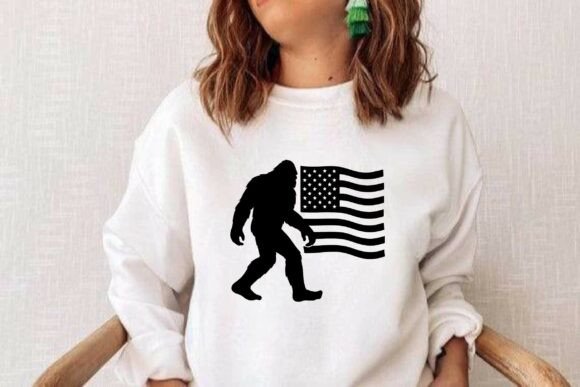
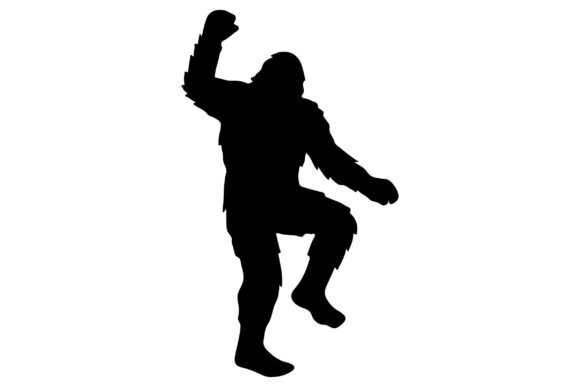
When you first open the file, the immediate takeaway is the distinct character of the silhouette. Bigfoot has become a cultural icon, often associated with humor, mystery, or Pacific Northwest pride. This particular design leans into that recognizable shape without getting bogged down in overly intricate realism. For embroidery, this is a smart choice. Complex photorealism rarely survives the transition to thread unless you have a high-end multi-needle machine and hours to spare.
The visual personality here feels rugged yet approachable. It doesn’t scream “corporate logo”; it whispers “handmade gift.” This makes it incredibly versatile. It works perfectly for the hobbyist making a personalized gift for a hiking enthusiast, but it also has strong potential for an Etsy seller looking to tap into the outdoor gear niche. The clean lines suggest that the design relies heavily on solid shapes rather than delicate shading, which is exactly what we want to see for durability and clarity.
Real-World Application: Where Does This Design Shine?
I’ve been thinking through various use cases for this machine embroidery design. The most obvious application is apparel. Imagine this embroidered on the chest of a heavy-weight cotton sweatshirt. The contrast between the thick texture of the fleece and the smooth threads of the design would create a tactile appeal that customers love. It fits the narrative of outdoor adventure seamlessly.
However, don’t limit your imagination to hoodies. This embroidery file would look fantastic on a canvas tote bag. A sturdy tote featuring this graphic immediately signals a lifestyle brand—one that values nature, humor, and craftsmanship. For small shop owners, this is a low-risk, high-reward item for craft fairs. It’s conversational. People stop to look at it because it’s funny or interesting, which drives engagement.
Baby items are another surprising fit. There is a growing trend toward whimsical, non-cliché baby gifts. Instead of standard animals or clouds, a subtle, stylized Bigfoot motif on a burp cloth or a onesie stands out. It appeals to parents who want something unique for their nursery decor. Similarly, for kitchen enthusiasts, this could work as a quirky accent on a flour sack towel or an apron, adding a touch of personality to the home.
Technical Considerations for the Savvy Designer
Here is where we need to get practical. Not all designs are created equal, and even good clipart can fail if the technical execution isn’t considered. When evaluating this for commercial embroidery, you must consider the stitch density. If the fill stitches are too dense, the fabric will pucker, especially on lighter materials like thin cotton tees or polyester blends. Always test on scrap fabric first. You need to ensure the stabilizer matches the fabric weight—cutaway for knits and stretchy fabrics, tear-away for stable wovens.
Thread color contrast is critical. Because this is a graphic design, it likely relies on bold outlines or solid fills. If you plan to embroider this on dark fabric, you’ll need a substantial underlay or a light-colored backing thread to prevent the design from looking muddy. Conversely, on light fabrics, dark threads might be necessary to define the shape clearly. I recommend running a black-and-white mockup of the design before committing to expensive specialty threads. This helps you visualize the negative space and ensure no details get lost in the stitching process.
Also, pay attention to the smallest details. In the original digital artwork, there may be tiny elements that disappear entirely when stitched. If the design includes fine text or intricate background elements, they might turn into a blurry mess. Focus on the main silhouette. If the core shape reads clearly, the design is successful. Anything else is just decoration.
Where to Use With Caution
While this design has broad appeal, there are specific scenarios where you should proceed carefully:
- Small Hoop Sizes: If you are working with a 4x4 hoop or smaller, ensure the design scales down properly. Tiny details often vanish, leaving a blobby shape.
- Textured Fabrics: Avoid using this on boucle, heavy tweed, or highly textured knits. The needle won’t penetrate evenly, and the thread tension will be inconsistent.
- Curved Surfaces: While caps are popular, embroidering a large graphic on the curved front panel requires precise digitizing. If the design isn’t optimized for curvature, it will look distorted.
- Dense Stitch Areas: If the design uses heavy fill stitches, avoid placing it on stretchy athletic wear unless you use a strong stabilizer. Otherwise, the garment will lose its shape over time.
Impact on Product Value and Branding
From a business perspective, the right design elevates your perceived value. A poorly executed embroidery job screams “cheap,” but a clean, well-placed graphic like Bigfoot Clipart suggests quality. It shows you’ve put thought into the aesthetic. For an Etsy seller or small shop product creator, this means higher conversion rates. Customers trust brands that present their items professionally.
This design also aids in branding consistency. If your shop focuses on outdoor themes, rustic vibes, or humorous gifts, this graphic aligns perfectly. It becomes part of your visual language. When buyers see that style repeatedly, they begin to associate it with your brand identity. Furthermore, because it is a digital embroidery file, you can easily create printable mockups for your online store. Showcasing the design on various products—totes, pillows, hats—helps customers visualize the final result, reducing hesitation and increasing sales.
Final Verdict
Overall, Bigfoot Clipart is a solid addition to any designer’s library. It balances recognizability with simplicity, making it easy to stitch and hard to ignore. Whether you are creating a personalized gift for a friend or building a line of custom apparel for your boutique, this design offers flexibility and charm.
Remember to check the licensing terms before selling finished items. Ensure you have the commercial rights if you plan to offer this as a craft business inventory. Test your stitches, choose your threads wisely, and trust your eye. If it looks good on the screen and feels good in the hand, you’re onto a winner. Happy stitching.