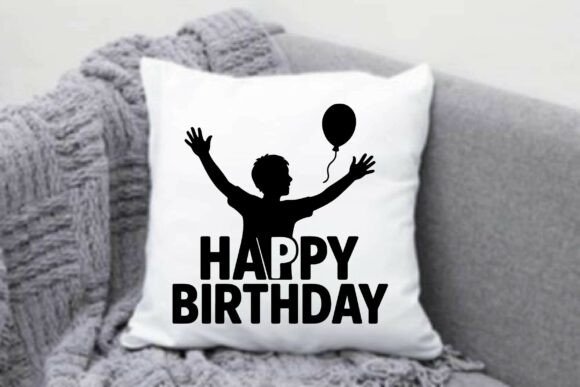
Happy Birthday Embroidery Design Review
As a designer who spends half my life staring at stitch charts and the other half troubleshooting tension issues on vintage machines, I don’t just look at an embroidery file; I look at its potential in the real world. When I pulled up Happy Birthday, my first instinct was to evaluate it not as a static image, but as a functional asset for a busy craft business or a personal gift project. In the crowded market of digital embroidery files, "unique" is a word thrown around loosely. So, does this design actually hold up when transferred from screen to fabric? Let’s break down what makes this Happy Birthday design work, where it shines, and where you might want to proceed with caution.
First Impressions: Mood and Visual Personality
The moment you load this machine embroidery design, the mood is immediately celebratory without being cluttered. For a birthday theme, the balance is tricky. Too much detail can result in a muddy mess after stitching, especially if you are working with limited thread colors. This embroidery file strikes a confident balance. It feels modern, clean, and versatile enough to fit into various aesthetic styles, from minimalist nursery decor to bold streetwear-inspired custom apparel.
What stands out is the layout. The visual personality suggests a design that respects negative space. In embroidery, negative space is your friend—it allows the fabric texture to show through and prevents the piece from feeling heavy or stiff. Whether you are planning a tote bag design for a boutique client or a delicate baby embroidery project, the composition of Happy Birthday feels intentional. It doesn’t scream for attention; it invites the viewer in. That subtle confidence is exactly what sells in high-end handmade products.
Real-World Application: Where Does This Fit?
I often test designs by imagining them on specific products before I even touch the hoop. Here is how Happy Birthday translates across different mediums:
- Custom Apparel and Sweatshirts: On a crewneck sweatshirt, this design would pop beautifully. The clean lines translate well to medium-density fills, making it ideal for sweatshirt embroidery. It works particularly well for milestone birthdays—think 18th, 21st, or 30th—where the wearer wants something stylish rather than cartoonish.
- Baby Items and Nursery Decor: Because the design isn’t overly aggressive in its color blocking (assuming standard thread choices), it fits perfectly on onesies, burp cloths, or crib sheets. A soft pastel thread palette on organic cotton would elevate this from a simple gift to a keepsake-quality item.
- Kitchen and Home Goods: I see strong potential here for tea towels, aprons, and pillow covers. A handmade product like a personalized kitchen towel with Happy Birthday adds a warm, domestic touch to holiday gifts. It’s practical, useful, and emotionally resonant.
- Accessories and Patches: If scaled correctly, this could work as an embroidered patch for denim jackets or backpacks. However, this requires careful consideration of the edge finish, which we will discuss below.
Technical Performance and Stitch Quality
From a technical standpoint, the clarity of the lettering and any accompanying graphics is paramount. In many cheaply made files, thin lines turn into blobs. With Happy Birthday, the satin stitch areas appear crisp, provided you are using a good quality polyester or rayon thread. The fill stitch density seems balanced—not so dense that it warps lightweight fabrics, but substantial enough to cover the base material effectively.
One aspect to note is the running stitch usage, if present for details. Running stitches are great for adding texture and reducing bulk, but they require stable hooping. If you are embroidering on stretchy knits, ensure you use a cut-away stabilizer to prevent distortion. The design’s structure suggests it holds its shape well, which is crucial for maintaining brand consistency in your craft business.
Where to Use Caution
No design is perfect for every scenario. Here are the situations where you should think twice before hitting “start” on your machine:
- Small Hoop Sizes: If you attempt to digitize or scale this down too small, you risk losing detail. Tiny lettering becomes illegible, and decorative accents may merge together. Stick to mid-to-large hoop sizes for the best result.
- Textured or Stretchy Fabrics: While it works on standard cottons and blends, highly textured fabrics like bouclé or very stretchy spandex blends can distort the embroidery project. Always test on scrap fabric first.
- Dense Stitch Areas: If the design includes large blocks of fill stitch, be mindful of the fabric weight. On thin materials, this can create a stiff, cardboard-like feel. For items that need to drape softly, such as a scarf or a lightweight t-shirt, consider reducing the stitch density or using an applique design technique if applicable.
- Curved Surfaces: Embroidering directly onto caps or curved hat fronts requires specialized hoops. If the design has sharp corners or intricate details near the edges, it may pucker when stretched over a curve. Flat surfaces like tote bags, aprons, and flat caps are safer bets.
Business and Licensing Considerations
For the Etsy seller or small shop owner, understanding the end-use is critical. The product description notes that this is a DIGITAL product and a ZIP folder containing the necessary files. This means you are buying the tool, not the finished goods. Before listing this as a commercial embroidery item, you must verify the licensing terms. Can you sell unlimited finished products? Is there a cap on units sold? Never assume commercial rights unless explicitly stated.
Furthermore, presentation matters. When creating printable mockups for your online store, pay attention to thread color contrast. A black design on a black shirt won’t sell, no matter how beautiful the design assets are. Use proper lighting in your photos to highlight the texture of the stitches. Buyers want to see the quality of the finished product before they commit to a purchase.
Final Verdict
Happy Birthday is a solid, reliable addition to any digital embroidery file library. It is not flashy for the sake of being loud; instead, it offers a professional, polished look that appeals to a broad audience. It works well for personalized gifts, holiday embroidery projects, and scalable custom apparel lines.
My advice? Test it thoroughly. Check your thread colors against your intended fabric. Confirm your hoop size accommodates the design without excessive trimming. And most importantly, trust your eye. If it looks good on the screen, it has a high probability of looking stunning on the garment. For anyone looking to add a versatile, high-quality graphics element to their Crafts inventory, this design earns a strong recommendation.